Dam it: Meet nature’s engineers – Wicked Leeks
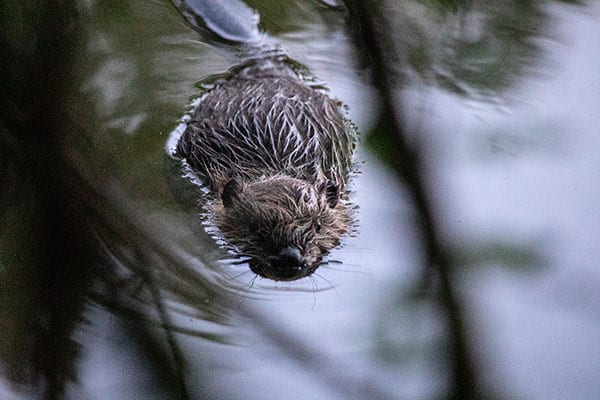
Once hunted to extinction, beavers are now being carefully reintroduced by conservationists and farmers who have seen first-hand the benefit to flood defences, biodiversity and climate resilience.
Three years ago, organic farmer Chris Jones reintroduced a breeding pair of beavers to a two-hectare enclosure on Woodland Valley Farm in a bid to reduce the devastating effects of flooding on the nearby Cornish village of Ladock.
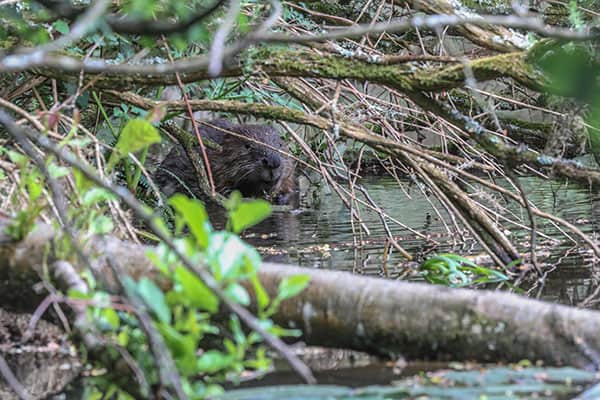
“Beavers have a multitude of positive impacts,” says Jones, who now has eight beavers on his land, including three babies (known as kits) born this spring as part of his Cornwall Beaver Project.
“They’re restoring the ecological integrity of our rivers and streams. By creating dams in smaller tributaries, they re-wet the river valley, creating pools of slow-moving water. The fuel in the biological engine is algae, the basis of all aquatic food chains – as water slows down, more algae can grow. Meanwhile, the faster-moving water in between pools is ideal for fish passage and spawning.” By slowing down the flow of rivers, beavers reduce the risk of floods and droughts, according to the Beaver Trust charity, which launched last year. Known as a ‘keystone species’, because they have a significant positive effect on the environment, beavers act as engineers by reconfiguring the water systems in the tributaries close to a river’s source, known as headwaters.