Nature school for teachers where outdoor play is on the curriculum – The Daily Telegraph

A new course for teachers aims to enable more outdoor education and help create a more playful, eco-literate generation of schoolchildren
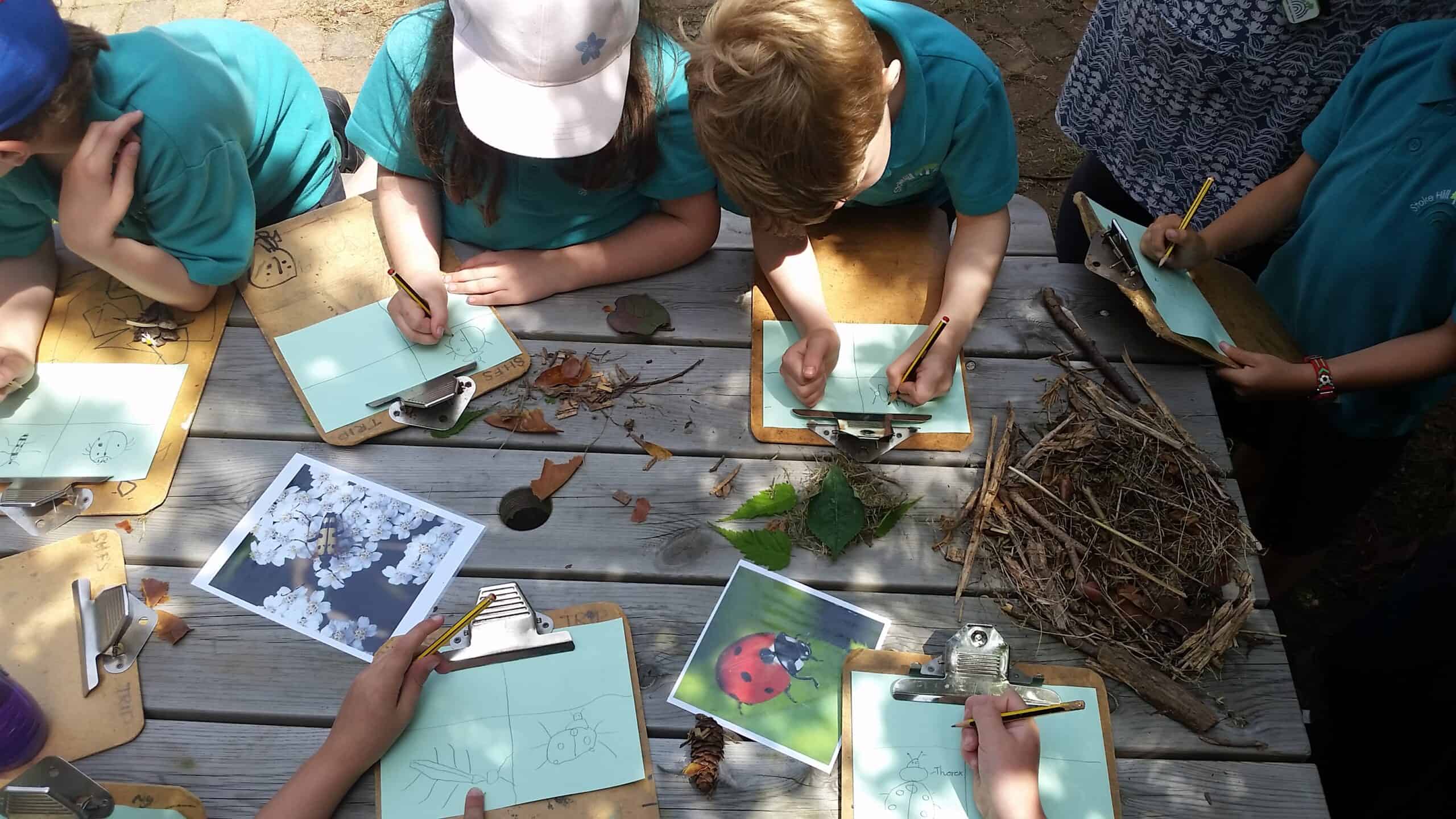
More opportunities for play in the classroom are being demanded by experts and now a new training course for teachers aims to facilitate this with a long-term vision to empower staff to embed environmental and outdoor education into curriculums. Educators at Devon Wildlife Trust have collaborated with the University of Plymouth Institute of Education to develop the UK’s first CPD training for teachers that focuses on weaving nature into mainstream teaching and enriching the school experience.
Dr Alun Morgan, lecturer in education at the University of Plymouth who has contributed to the course development, warns that we are suffering “environmental amnesia” and that knowledge and skills are being lost inter-generationally: “I can’t pass on to my kids what I don’t know. So if parents and teachers can’t identify trees or forage for wild food, how can we expect our children to do so?”
Morgan explains that many excellent teachers simply don’t have the confidence to teach outside or answer questions about the basic ecology of their school grounds and that’s a major obstacle. “This training course encourages schools to be braver teaching beyond the OFSTED framework, to build in more play-based approaches and to create structural changes so that best practice will continue even if passionate staff members leave the school.
”This self-sufficiency also means that the positive impacts will be amplified across federations and more children can be reached with more regular sessions for all year groups. Paul Martin, lead educator at Devon Wildlife Trust and a former secondary school teacher who is collaborating with Morgan, believes that “training teachers is the answer to sustainably embedding outdoor learning into the school timetable so that it’s not just an add-on – we’ll give them the toolkit they need.”
Read the full article here.