Most UK sharks have consumed plastics, study finds – Guardian
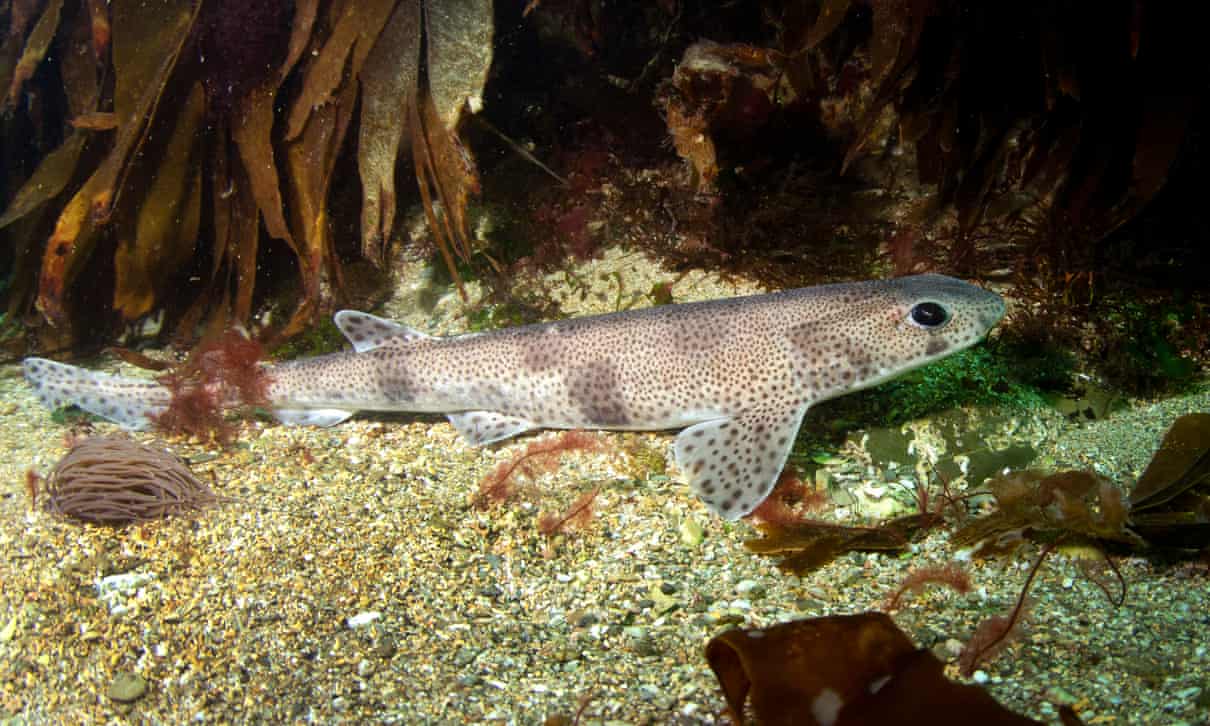
Microfibres from fishing lines and nets and materials from textiles discovered in 67% of seabed-dwelling sharks.
Microplastics and synthetic microfibres from clothing have been found for the first time in the guts of sharks that live off the UK coast.
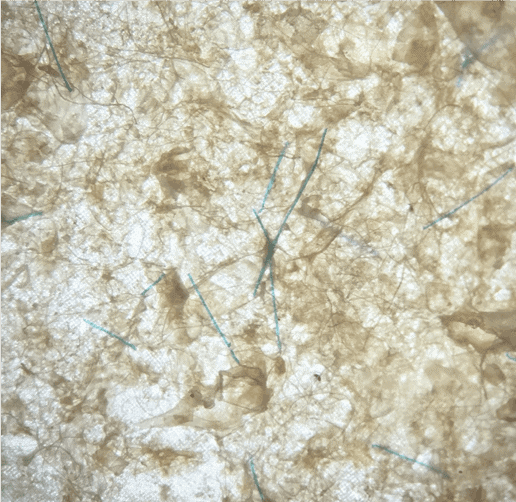
Scientists examined the stomachs and intestines of 46 seabed-dwelling sharks that had been caught as bycatch by Penzance-based hake fishing trawlers. They found that 67% of the sharks examined contained microplastics or other manmade fibres commonly found in textiles. A total of 379 particles were found.
Kristian Parton, of the University of Exeter and lead author of the study published in the journal Scientific Reports, said the findings highlighted “the ubiquitous nature of plastic pollution”.
“We were shocked that the overwhelming majority (95%) of contaminants identified were microfibres from fishing lines and nets for example, or synthetic cellulose that’s used to make viscose, rayon and disposable facemasks,” he said. “Having this baseline is so important to see how this changes over time for UK shark species and for future comparisons globally.”
Read the full article here.